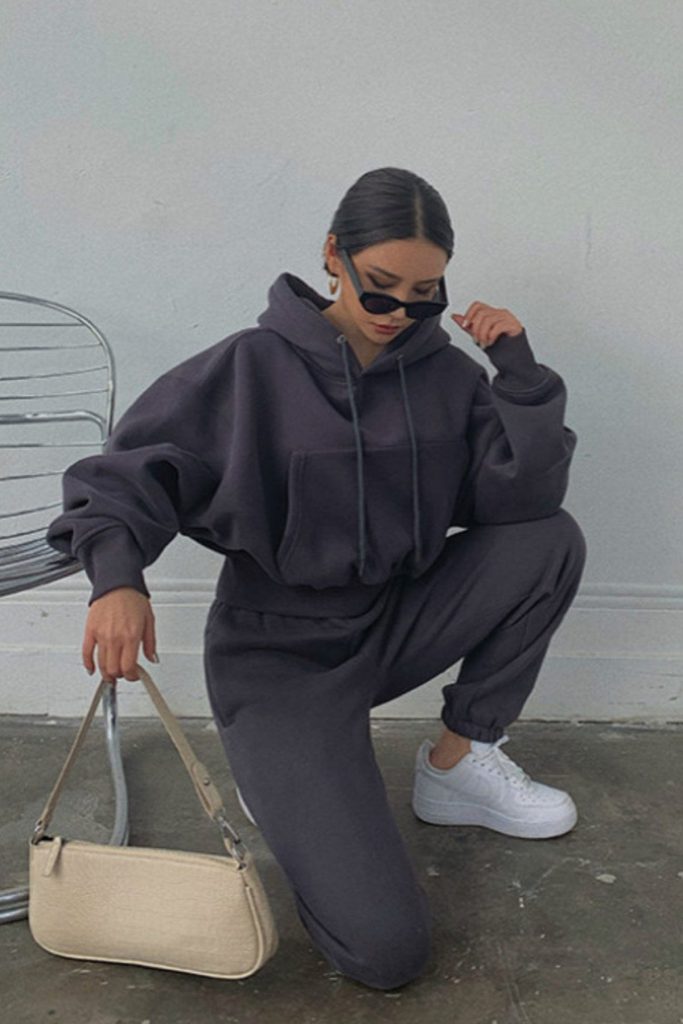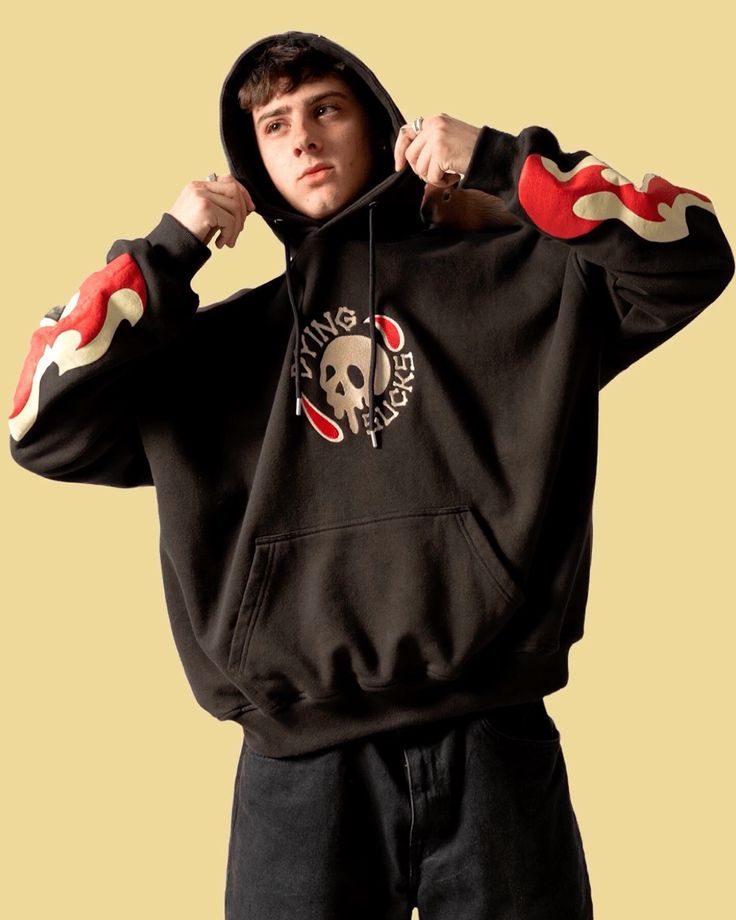
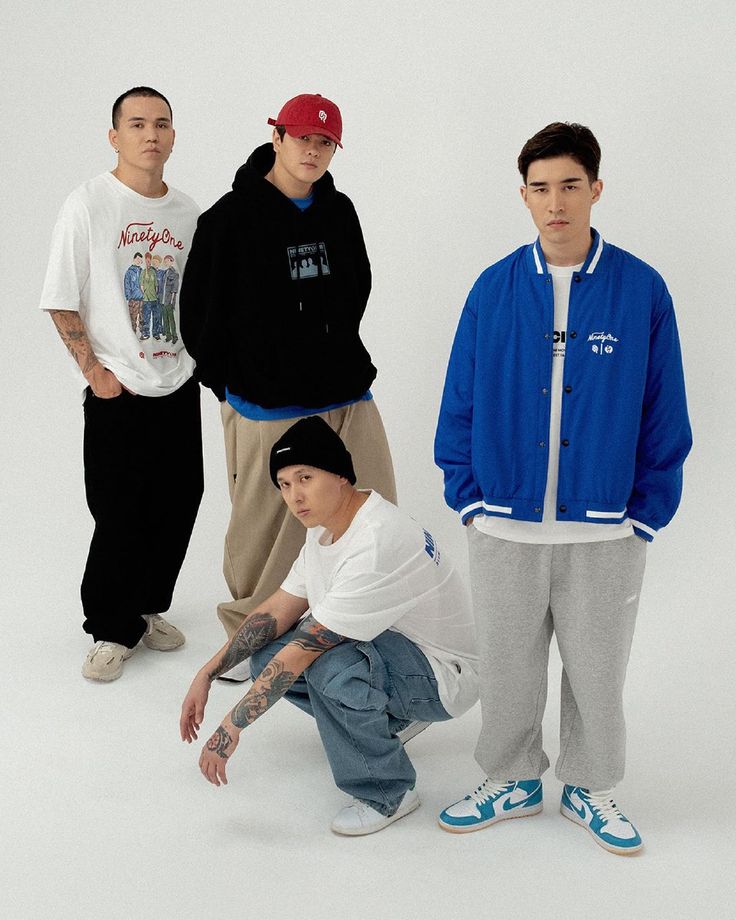
Fashion has always evolved alongside society. In the past, trends dictated what people wore, when they wore it, and how they were perceived. Today, however, fashion is undergoing a quieter but deeper transformation. Instead of blindly following seasonal trends, more people are turning inward—using clothing as a tool to express identity, values, and lifestyle.
Personal style is no longer something reserved for fashion insiders. It has become a daily practice for anyone who gets dressed with intention. Rather than asking, “What’s trending?” many now ask, “What feels like me?” This shift reflects a broader cultural movement toward authenticity. Clothing is no longer just about fitting in; it’s about standing comfortably in one’s own space.
One of the biggest reasons behind this change is access. With endless inspiration available online, people are exposed to a wide range of aesthetics, cultures, and interpretations of style. This exposure encourages experimentation. Someone might combine classic silhouettes with modern street elements, or mix relaxed basics with tailored pieces. The result is a wardrobe that feels personal rather than prescribed.
Another factor shaping modern fashion is lifestyle flexibility. Work environments have become more casual, social boundaries more fluid, and daily routines more unpredictable. Clothing needs to adapt. Outfits that transition easily from work to leisure are increasingly valued. Comfort and versatility are no longer optional—they are essential.
Personal style also evolves with experience. As people grow older or go through life changes, their relationship with fashion often becomes more refined. Loud statements may give way to subtle confidence. Instead of chasing novelty, people focus on pieces that align with their routines and self-image. This maturity in style is not about playing it safe; it is about clarity.
Importantly, personal style does not mean rejecting trends entirely. Trends still play a role, but they serve as inspiration rather than instruction. A trend might introduce a new color, fabric, or silhouette, which individuals then adapt to their own taste. This selective approach allows fashion to remain fresh without feeling overwhelming.
Sustainability has also influenced the rise of personal style. As awareness grows around overconsumption, people are becoming more intentional about what they buy. Building a wardrobe that reflects personal identity encourages fewer, better choices. Clothing becomes something to live with, not discard quickly.
Ultimately, fashion beyond trends is about confidence. When people wear clothes that resonate with who they are, it shows. The outfit may be simple, but the message is clear. Modern fashion is less about impressing others and more about alignment—between clothing, lifestyle, and self-expression.